The tragic blast in Ghana’s northern frontier has ignited fierce debate over cross-border risks and the immediate steps needed to prevent further disaster. A suspected explosive-laden tricycle detonated near Hamile, claiming lives and leaving authorities scrambling for answers amid escalating regional instability.
Chilling aftermath of the Hamile explosion
The explosion in Hamile, Upper West region, left one immigration officer dead and another security personnel critically injured. Civilian occupants of the tricycle transporting suspected dynamite were also killed in the blast, which erupted during a high-speed pursuit by security forces.
What triggered the fatal chase?
Initial reports indicate the tricycle was traveling along an unauthorized route when stopped at a security checkpoint. When ordered to halt, the occupants allegedly accelerated, prompting a pursuit that ended in catastrophe. The exact cause of the detonation remains under investigation, with officials yet to confirm whether the explosives were intentionally detonated or triggered accidentally.
Unanswered questions linger
Key details remain unresolved, including the origin of the explosives, the identities of those involved, and whether criminal networks or external threats were at play. Authorities have refrained from speculating, emphasizing the need for a thorough forensic inquiry to uncover the truth behind the incident.
Hamile: A pressure point for Ghana’s border security
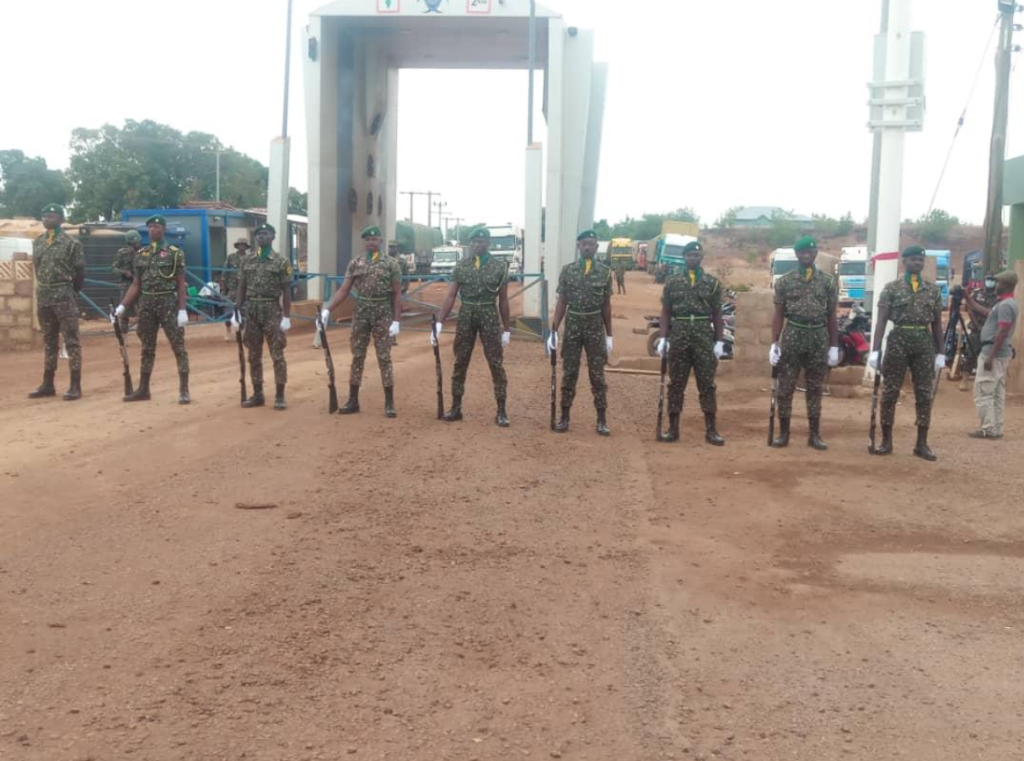
Straddling the frontier with Burkina Faso, Hamile sits at the heart of a region where porous borders and unregulated trade routes pose persistent security challenges. The blast has exposed vulnerabilities in monitoring unauthorized pathways, particularly those exploited for transporting hazardous materials.
The dual role of border communities
While Hamile’s location facilitates legitimate cross-border commerce between Ghana and Burkina Faso, it also serves as a corridor for illicit activities. The explosion highlights the delicate balance between safeguarding security and respecting the economic lifelines of border residents, whose livelihoods depend on unfettered movement.
Regional tensions escalate as Sahel unrest looms
The incident unfolds against a backdrop of mounting security concerns in the Sahel, where Burkina Faso grapples with escalating jihadist violence. Ghana, though untouched by direct attacks, has heightened vigilance in its northern territories, fearing spillover risks that could destabilize its own border areas.
Separating fact from fear
Despite regional turmoil, no verified evidence links the Hamile explosion to terrorist organizations. Security analysts caution against premature conclusions, noting that smuggling and unregulated transport of explosives—rather than ideological motives—may have been the primary drivers. A definitive assessment awaits the investigation’s findings.
Path forward: Strengthening border defenses without stifling trade
To mitigate future risks, experts advocate for a multi-pronged approach: tighter collaboration between security agencies, enhanced surveillance of unauthorized routes, and community engagement to curb clandestine trade networks. The strategy must reconcile security imperatives with the socio-economic realities of border populations.
Immediate priorities include:
- De-escalating misinformation: Preventing speculative narratives that could exacerbate tensions or fuel vigilantism.
- Supporting victims: Ensuring medical and psychological care for the injured while delivering justice to affected families.
- Preventive action: Deploying advanced detection tools and joint patrols to monitor high-risk zones.
What’s next for Ghana’s border security?
The Hamile tragedy underscores the urgent need for clarity and decisive action. As investigations proceed, the nation faces a critical juncture: will it reinforce defenses in a way that alienates communities or fosters trust through inclusive, transparent measures? The choices made today will shape Ghana’s ability to navigate the precarious security landscape of West Africa.